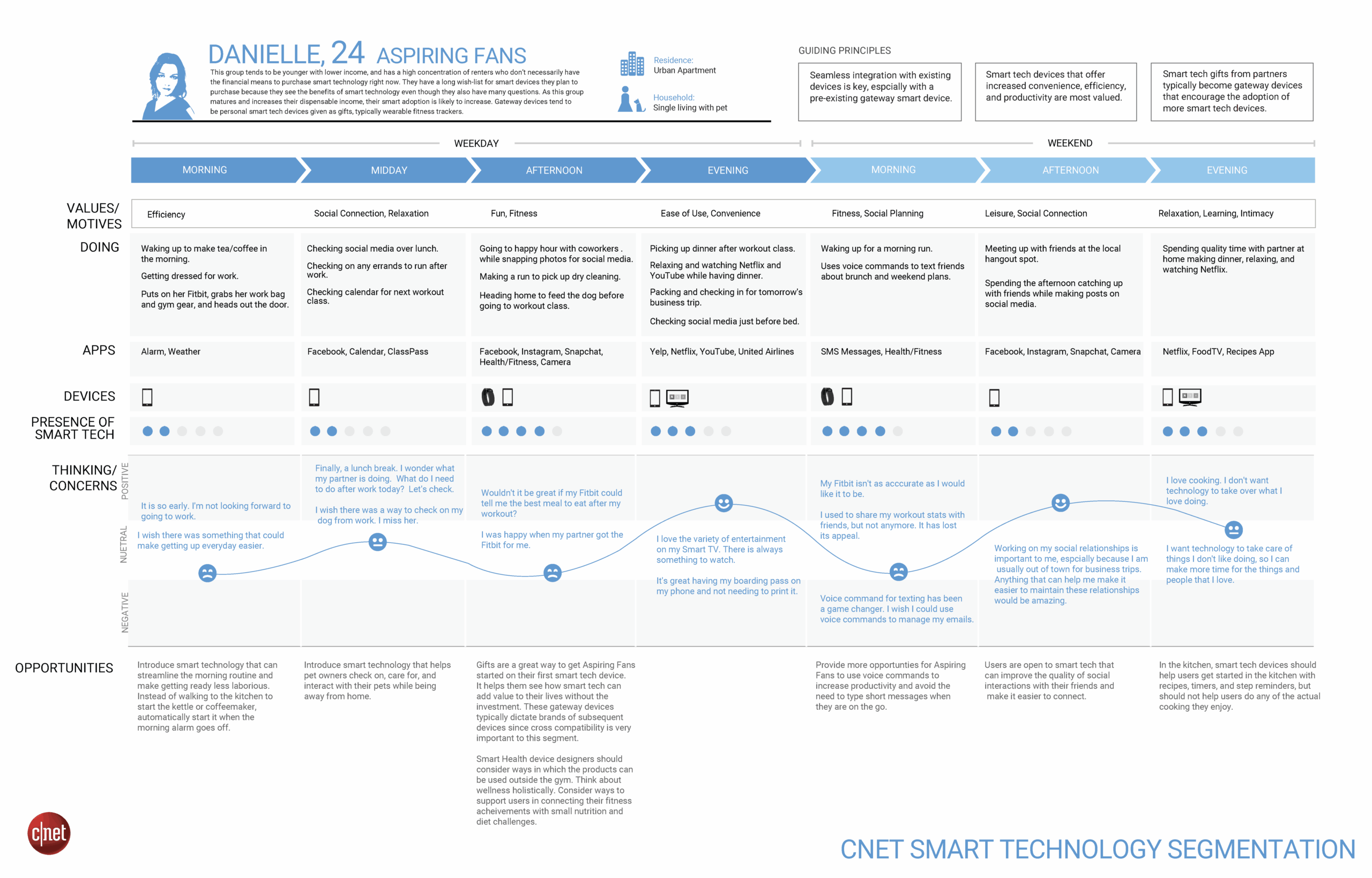
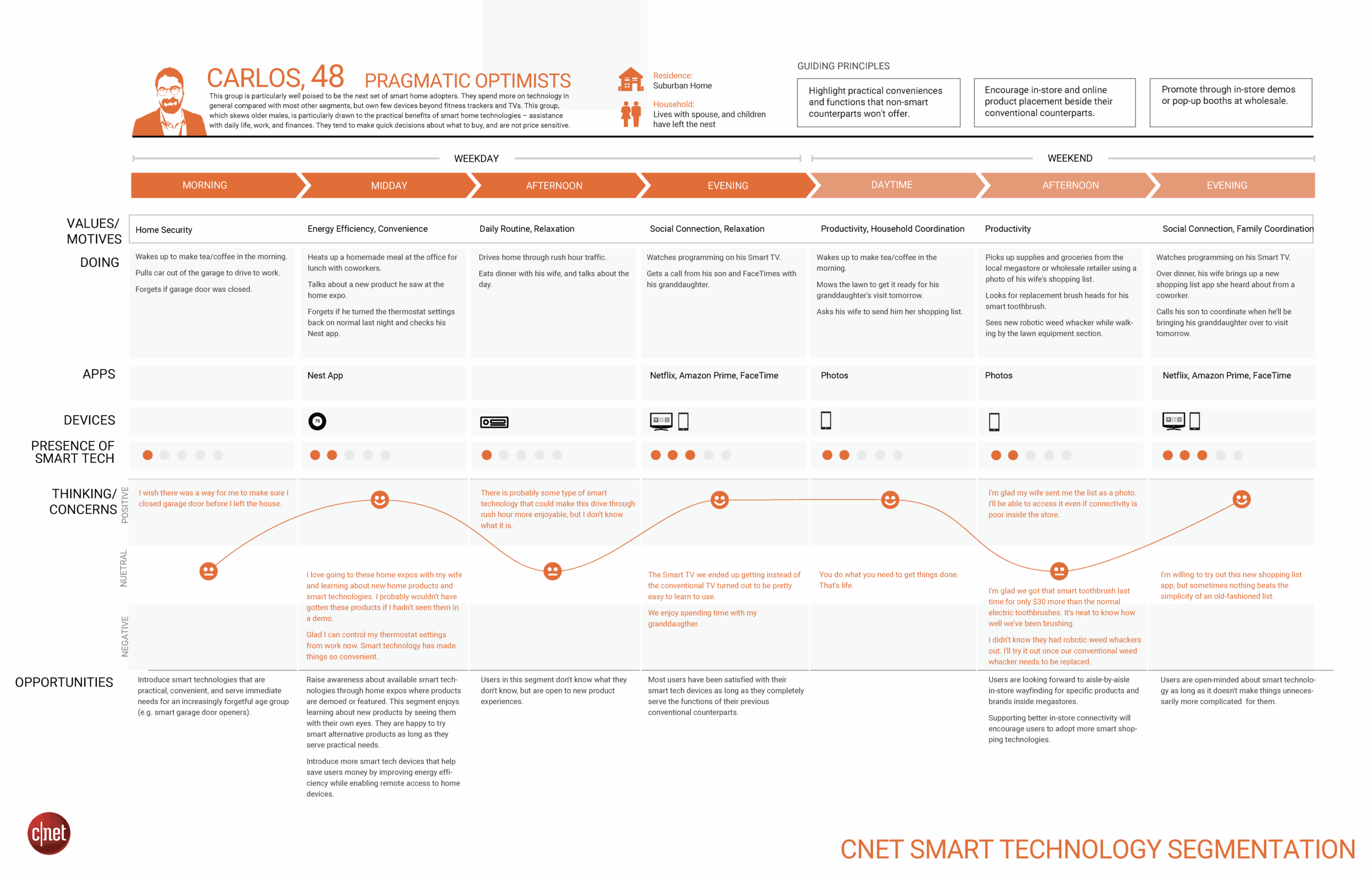
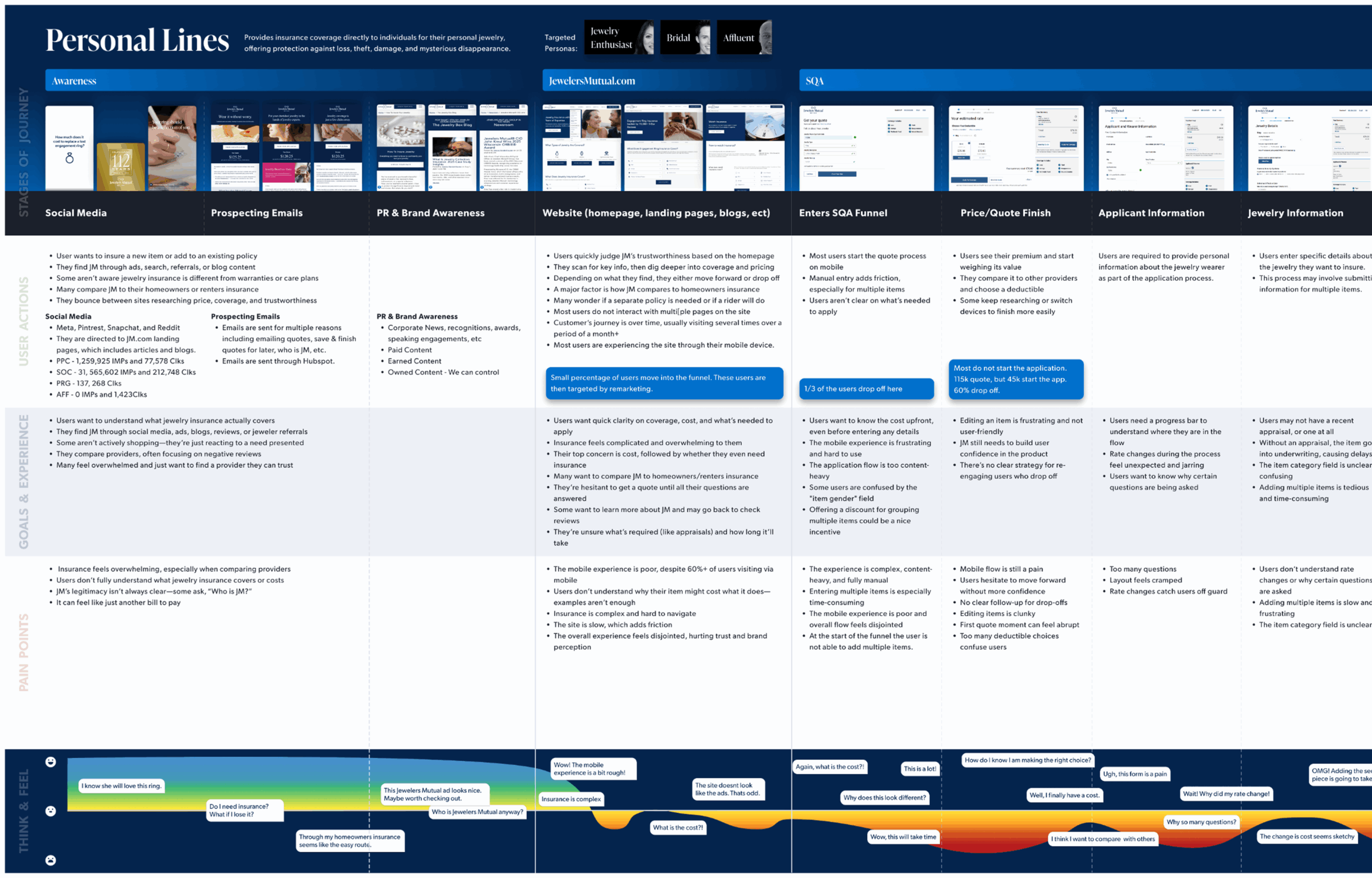
Everything starts with people. If we don’t deeply understand the users and customers we’re designing for, everything else is just guesswork. A design system, a product, even an innovation roadmap will only succeed if it’s grounded in the reality of how people think, feel, and behave. That’s why my process begins with an intentional deep dive into the human side of the business.

HOW I CREATE IMPACT
DESIGN LEADERSHIP IN ACTION
STEP 1
THE FOUNDATION
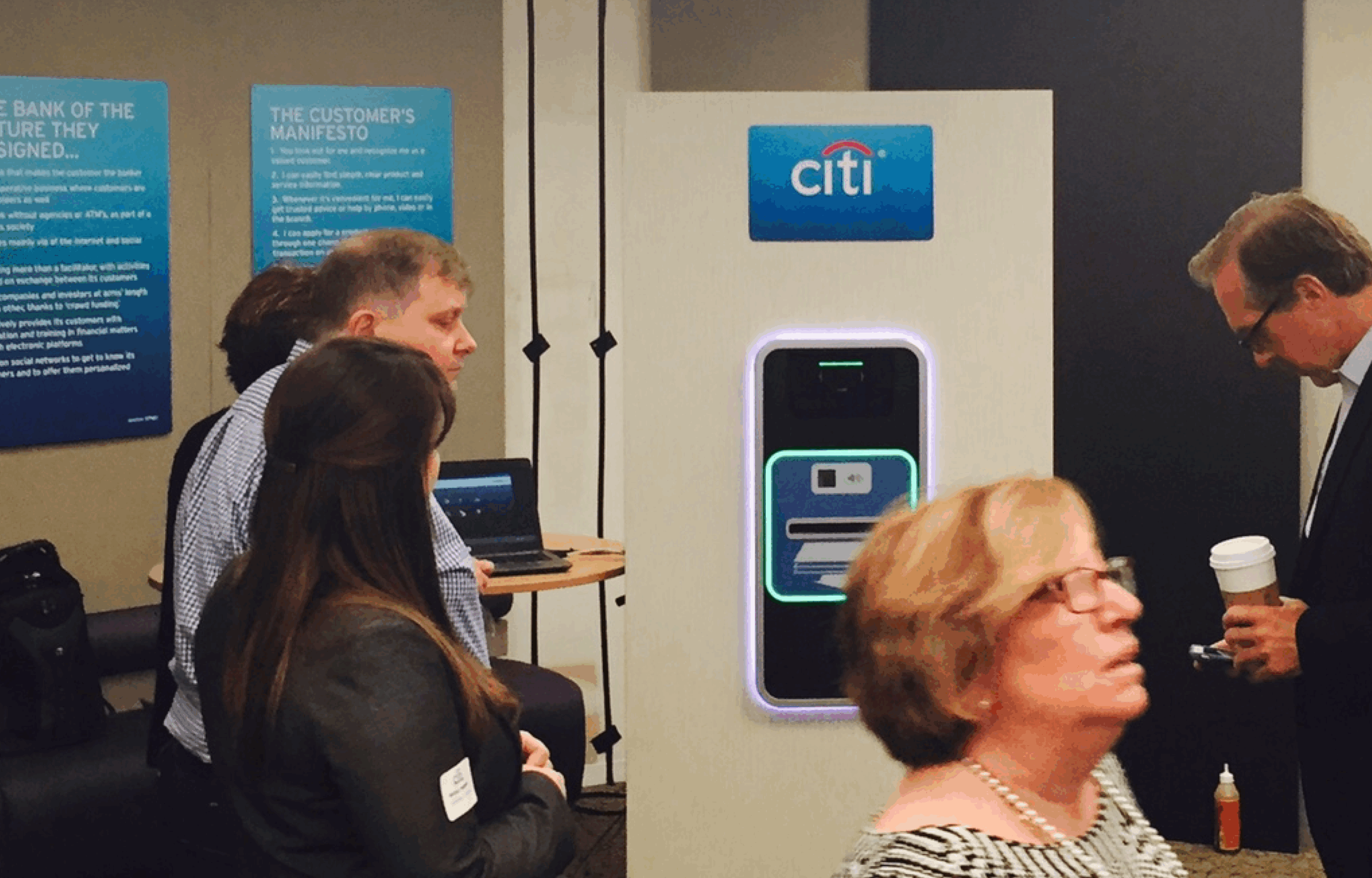
The picture explained: At Citibank, I was part of a select global team in Armonk, NY, where we spent a week laying the groundwork for a user-first approach — reimagining the future of banking by deeply understanding the customer.
If you don’t talk to your customers, how will you know how to talk to your customers?
– Will Evans
WHY IT MATTERS
0
%
more profitable — that’s how much companies that invest in customer understanding outperform their competitors (Deloitte).
0
%
of customers will leave a brand after just one bad interaction caused by poor customer experience (PwC).
≤
0
%
revenue growth and 20–30% lower service costs are the results of improving customer experience (McKinsey).
2. ECOSYSTEM & AUDIT
Once we understand the user and business goals, the next step is to take a hard look at the digital ecosystem itself. Platforms, workflows, and tools evolve over time, and without proper evaluation, companies end up with bloated systems, overlapping tools, or fragmented customer experiences. An ecosystem audit creates clarity and reveals the gaps holding teams back from efficiency and innovation.
Clarity affords focus.
– Thomas Leonard
WHY IT MATTERS
0
%
of digital transformation projects fail due to lack of system integration and clarity (McKinsey).
0
%
of software spend is wasted on unused or redundant tools (Gartner).
0
well-structured, audited ecosystem reduces friction, accelerates delivery, and enables future innovation by creating a single, scalable foundation.
STEP 3
DESIGN SYSTEM DEVELOPEMENT
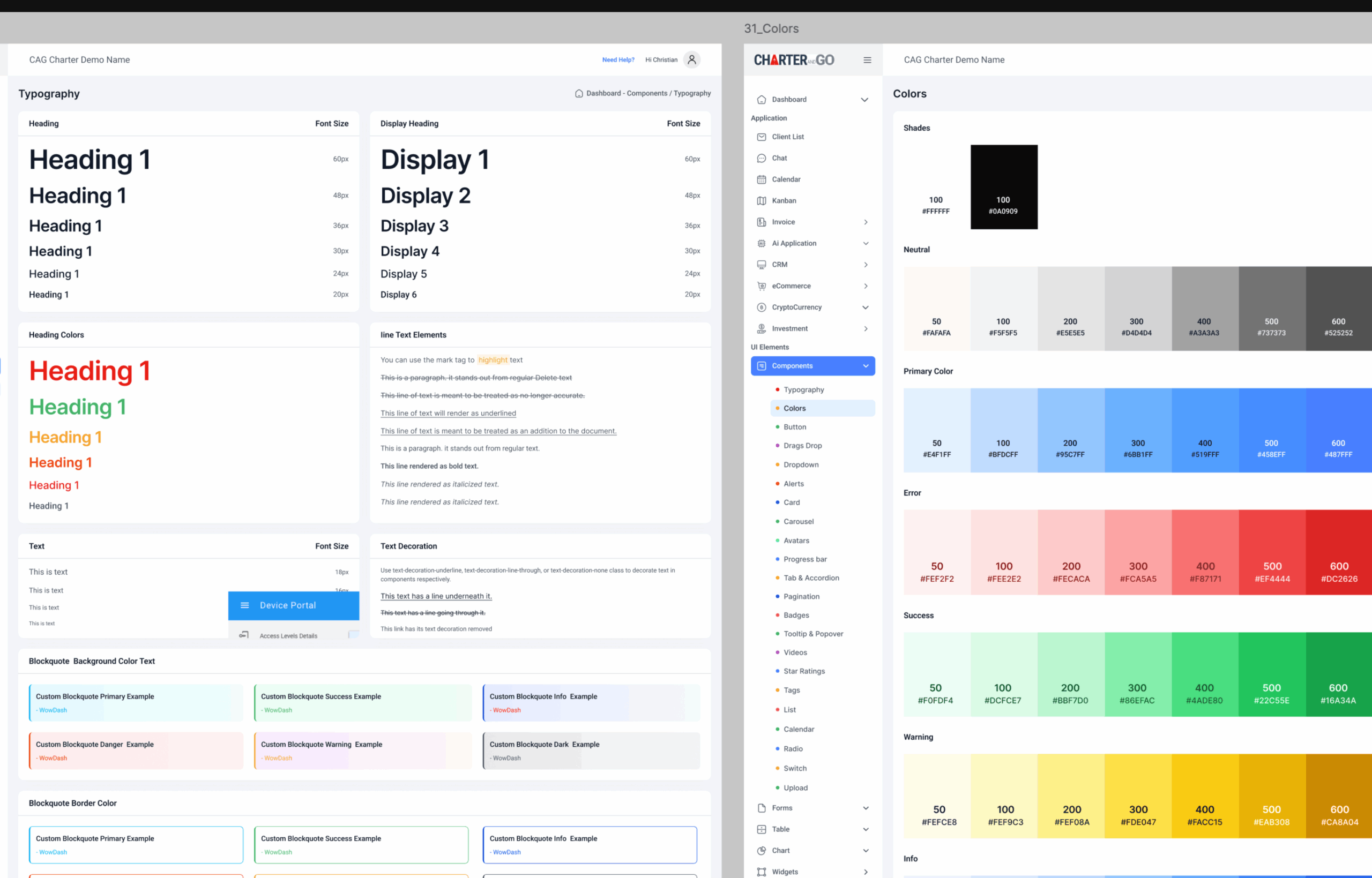
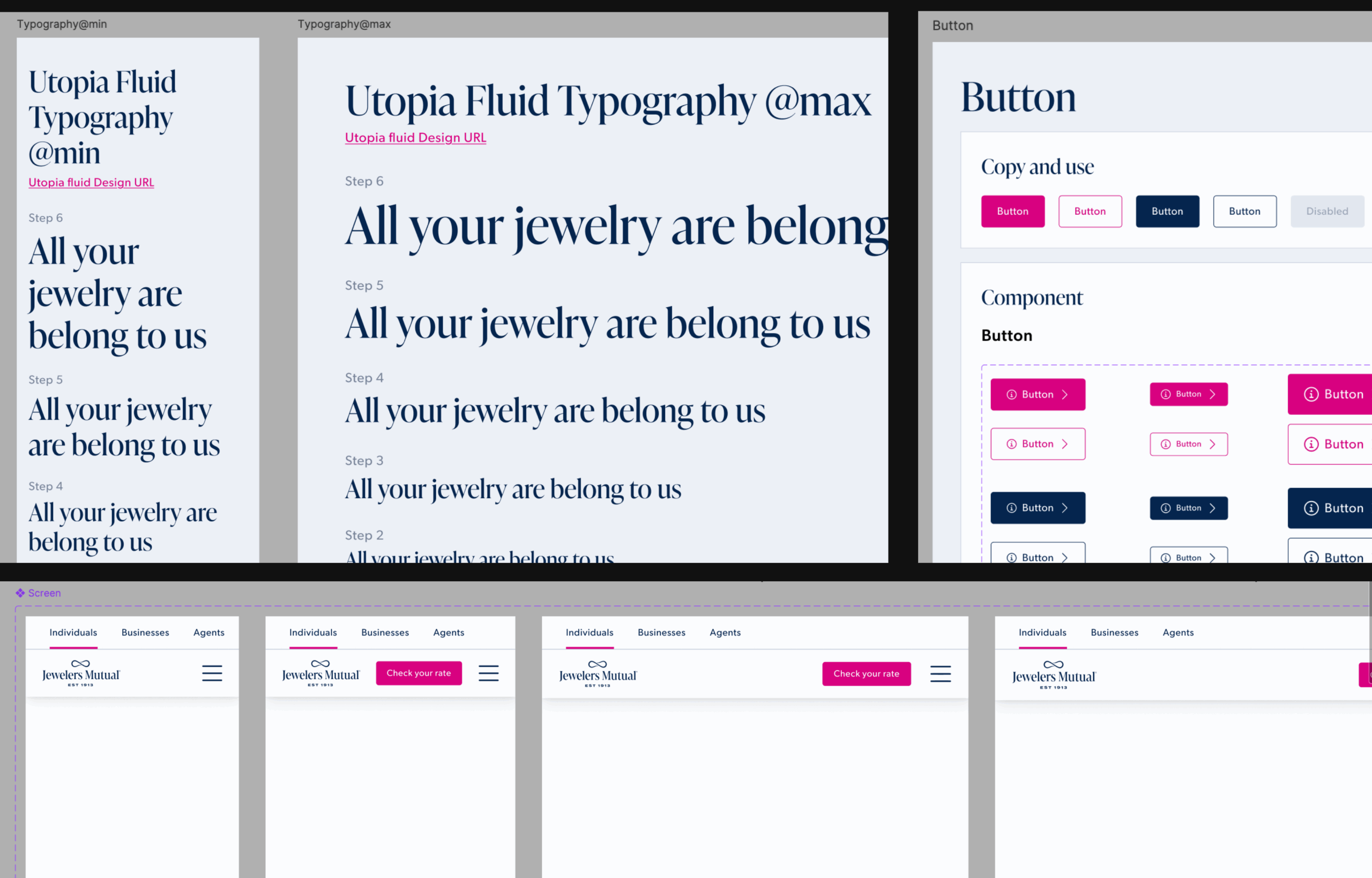
A design system is more than just a library of components — it’s the backbone of a scalable digital ecosystem. By codifying tokens, patterns, accessibility standards, and documentation, I help teams move faster, stay consistent, and focus on solving problems instead of reinventing solutions. A strong system doesn’t just support design — it unites design, development, and business around one shared language.
Design systems are not about constraints. They’re about creating the building blocks that empower creativity at scale.
– Dan Mall
WHY IT MATTERS
0
%
faster product delivery when teams adopt a design system (InVision).
0
%
less design/development rework thanks to reusable, standardized components (UX Collective).
0
%
of users cite design consistency as the reason they trust or distrust a digital product (Stanford).
STEP 4
PRODUCT DESIGN & REDESIGN
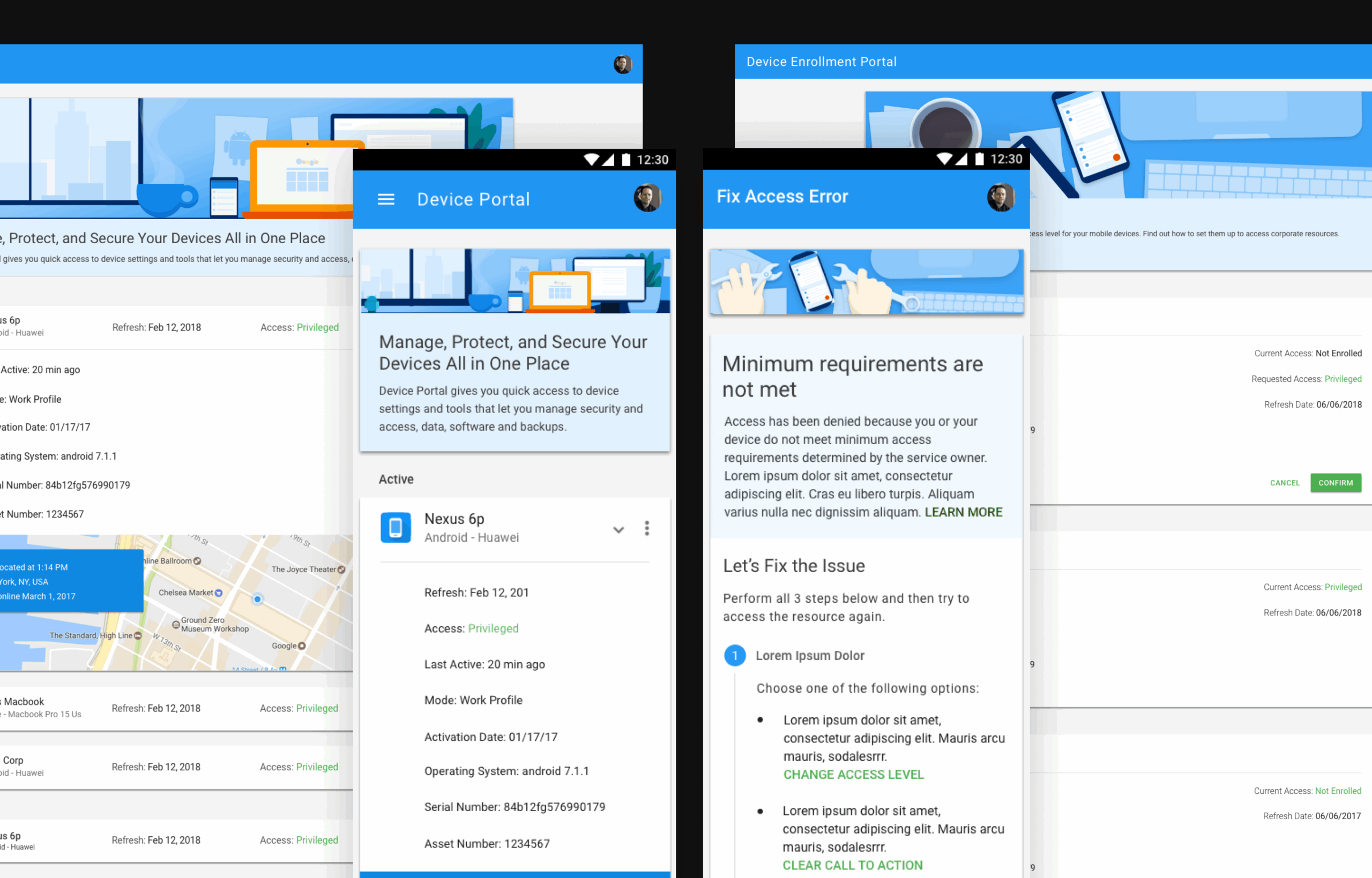
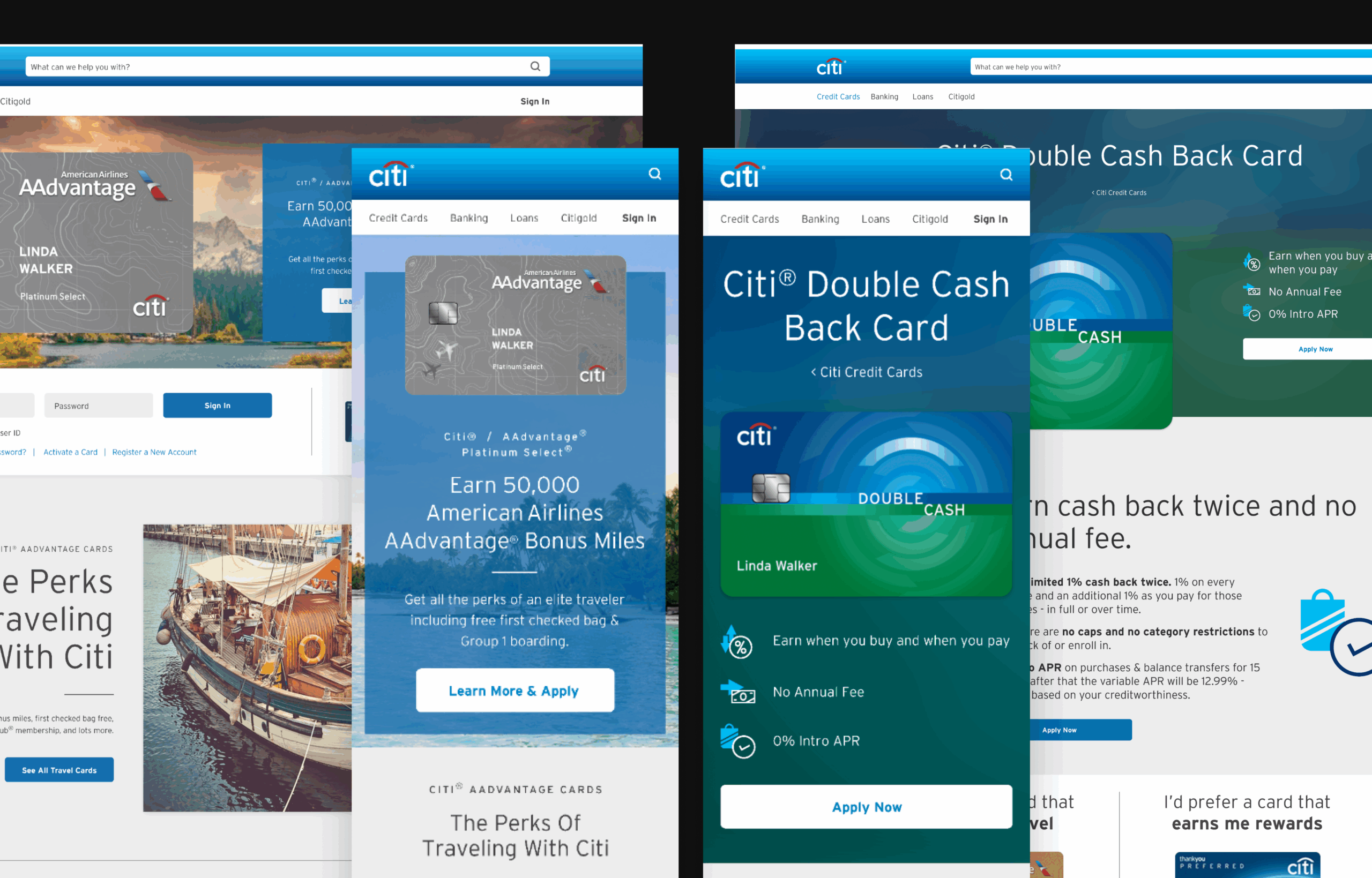
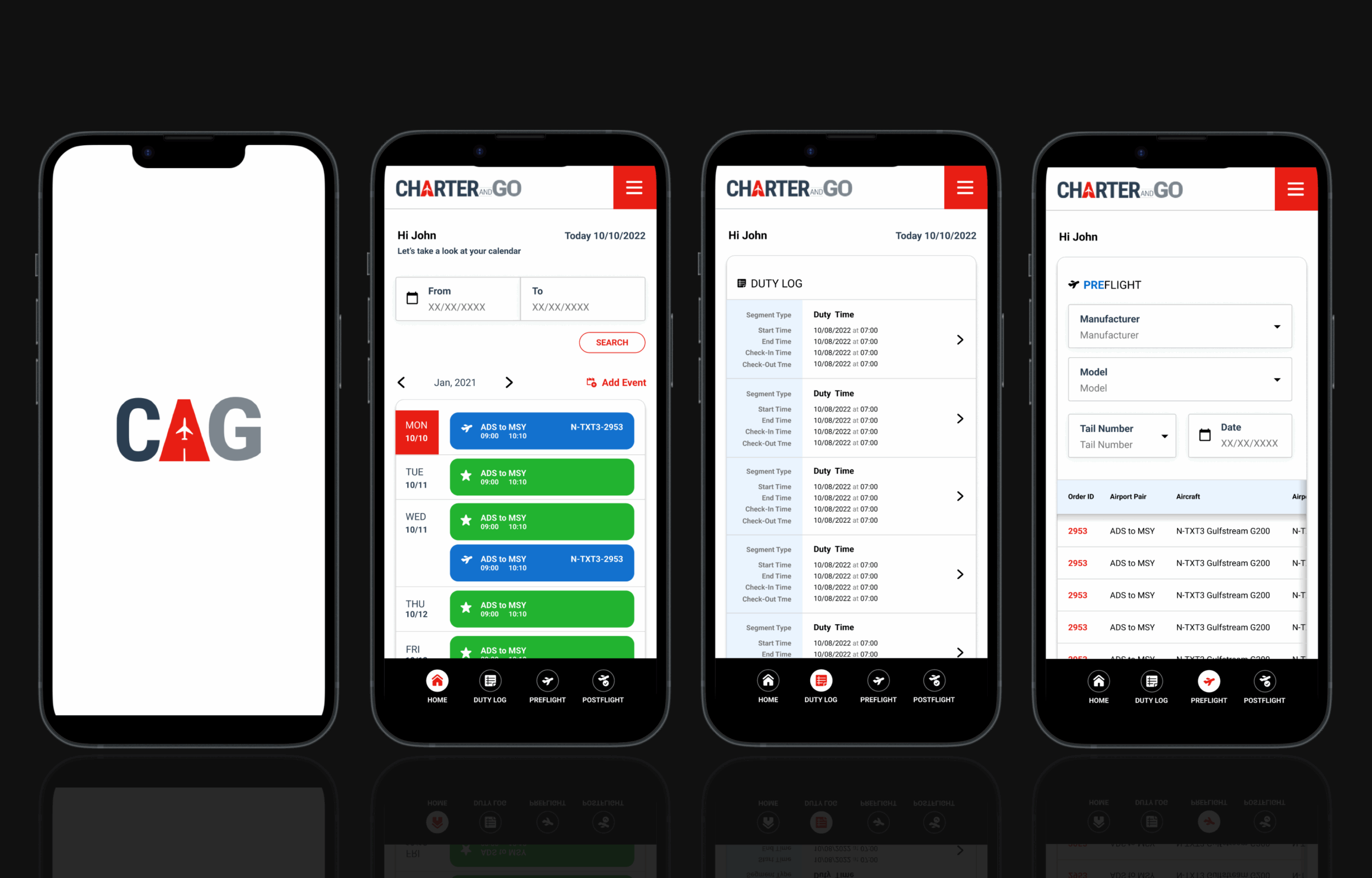
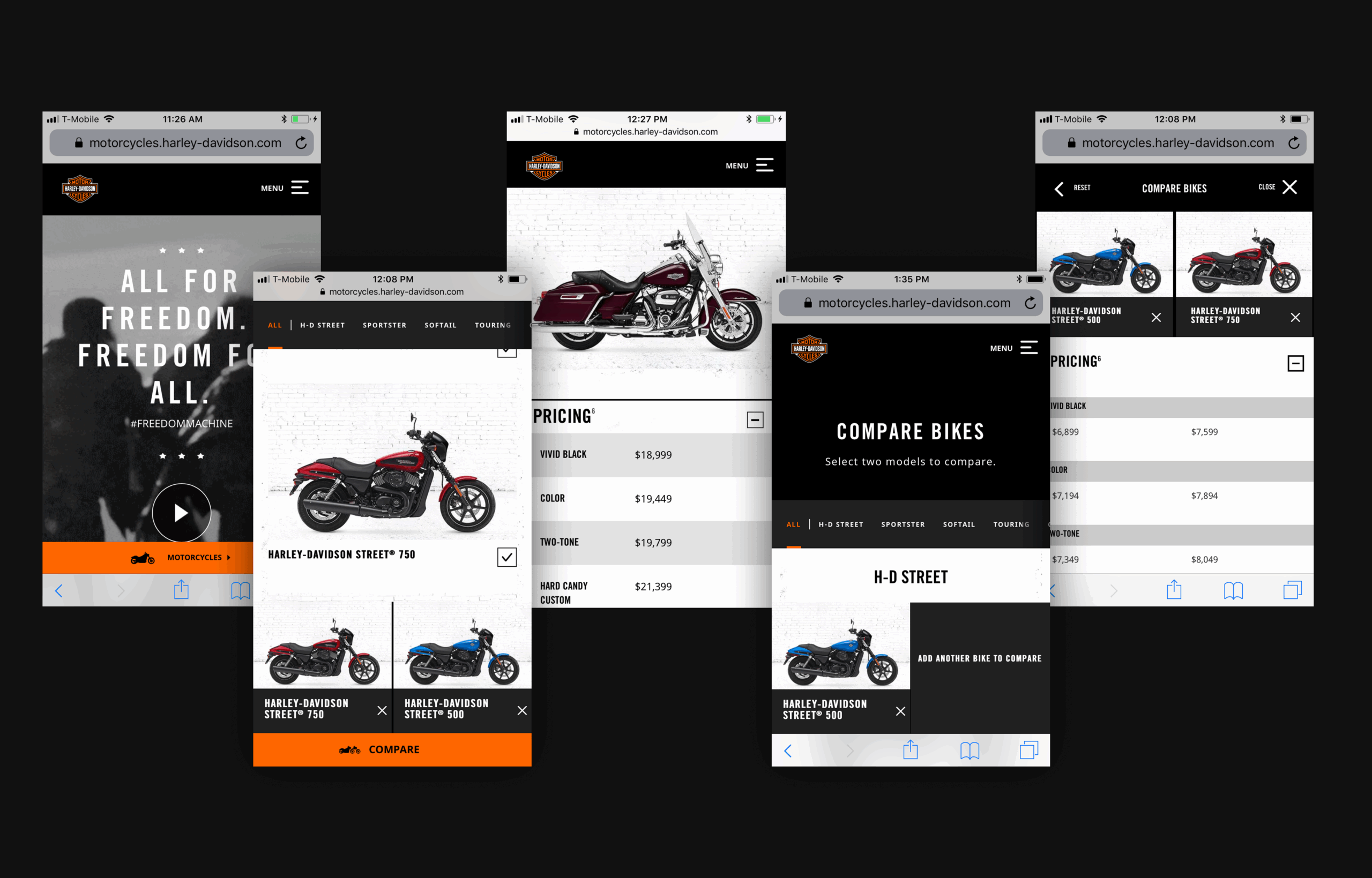
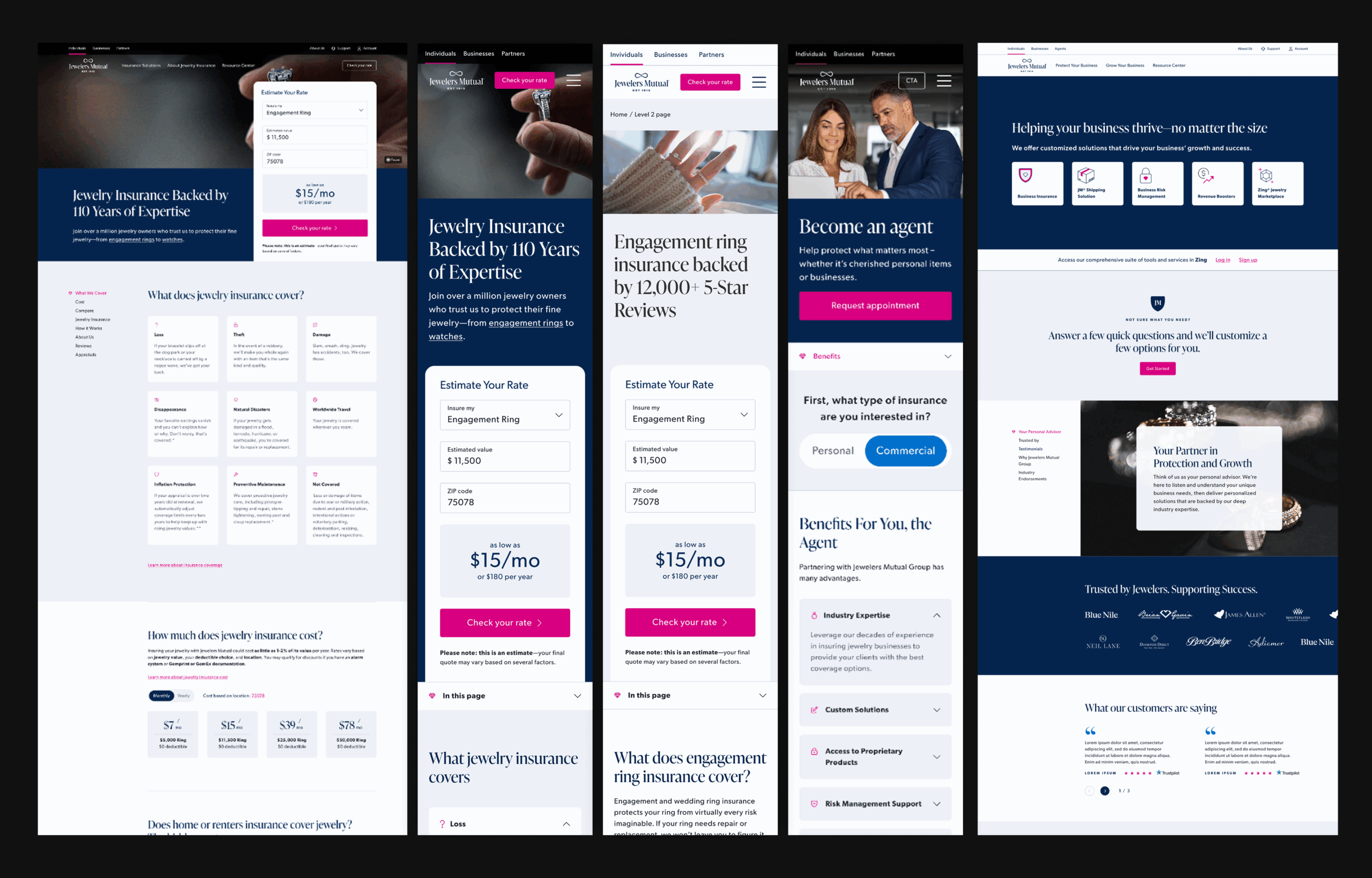
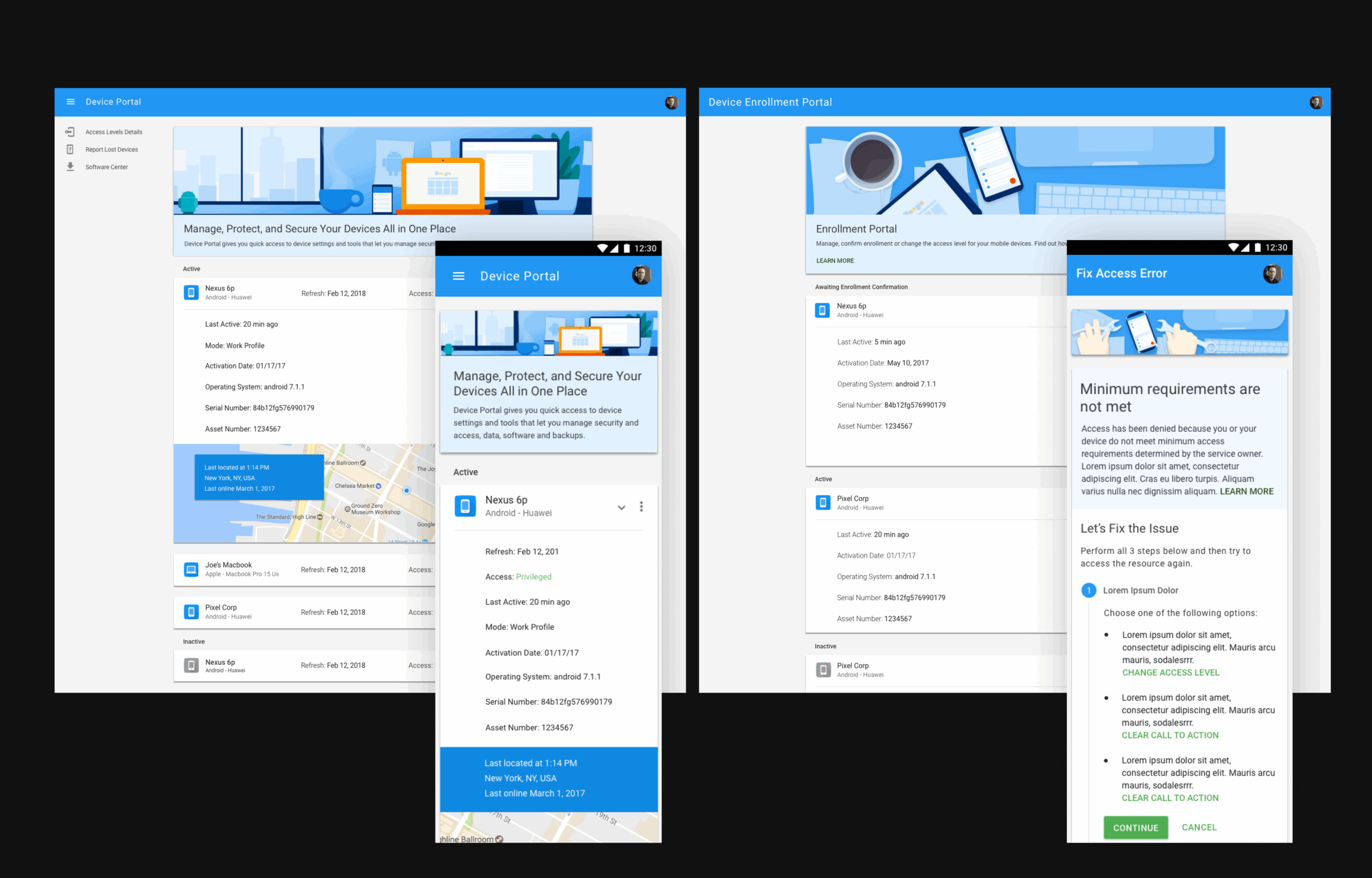
Once the foundation and ecosystem are in place, the next step is turning insights into meaningful digital products. Product design is not just about creating interfaces — it’s about solving the right problems for the right users in ways that align with business goals. Whether it’s building a new product or reimagining an existing one, my approach ensures every design is tested, validated, and built to scale.
The role of the designer is that of a good, thoughtful host anticipating the needs of his guests.
– Charles Eames
WHY IT MATTERS
0
%
of digital transformations fail when user needs are not prioritized in product design (McKinsey).
≤
0
%
faster development cycles happen when companies integrate user testing into product design (Forrester).
0
%
higher conversion rates are achieved by products with strong UX (Forrester).
STEP 5
FUTURE-STATE INNOVATION
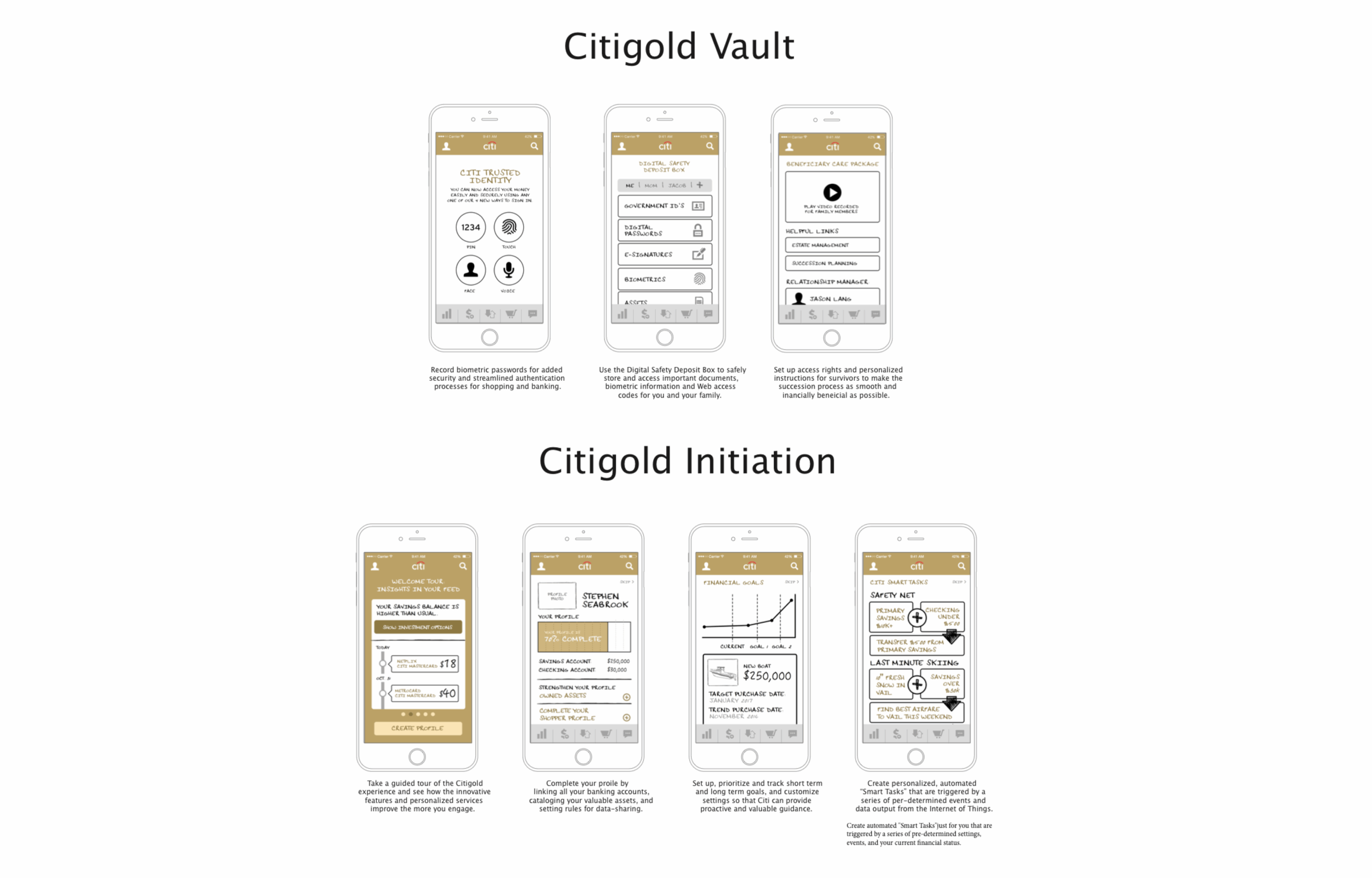
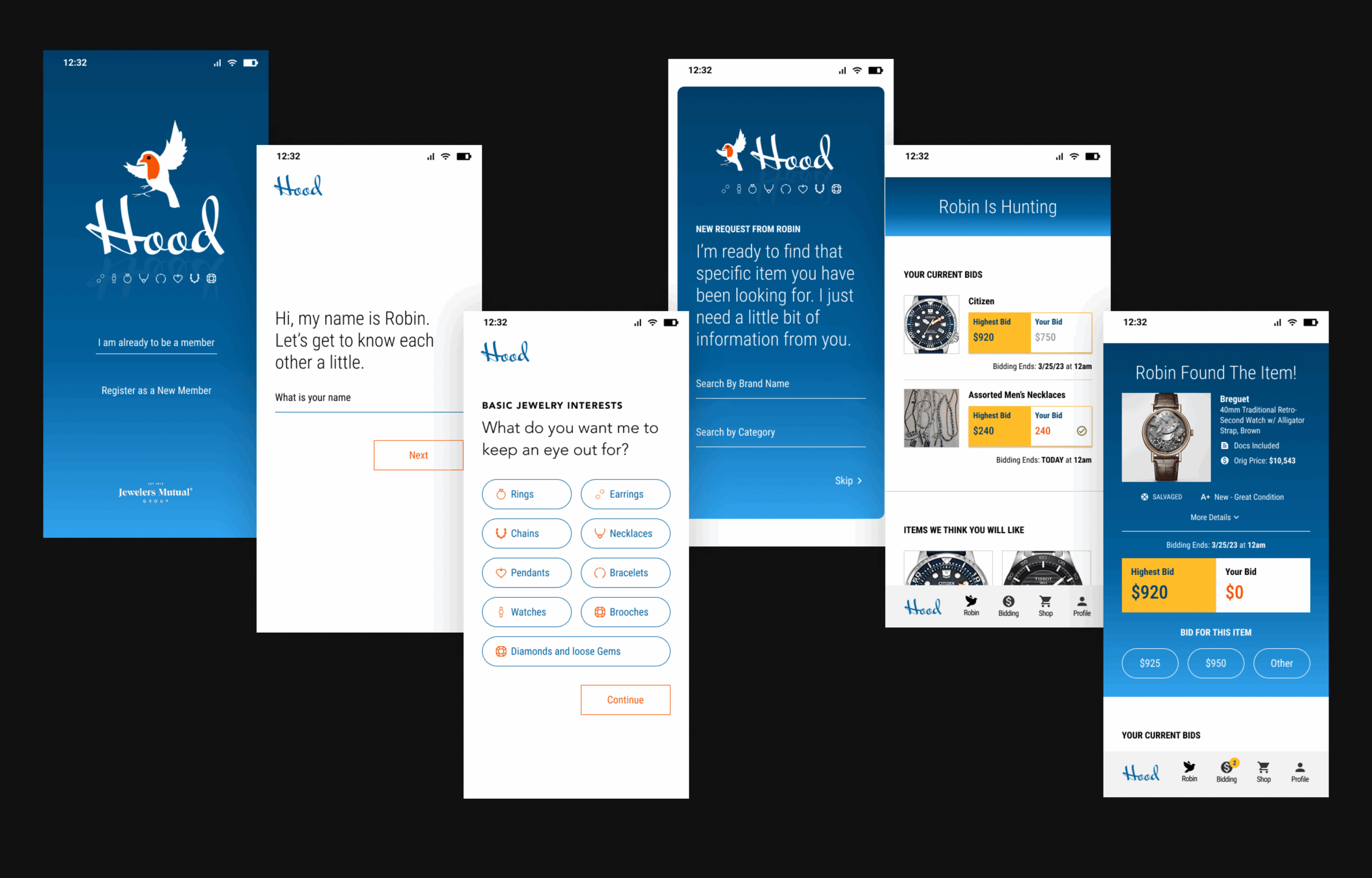
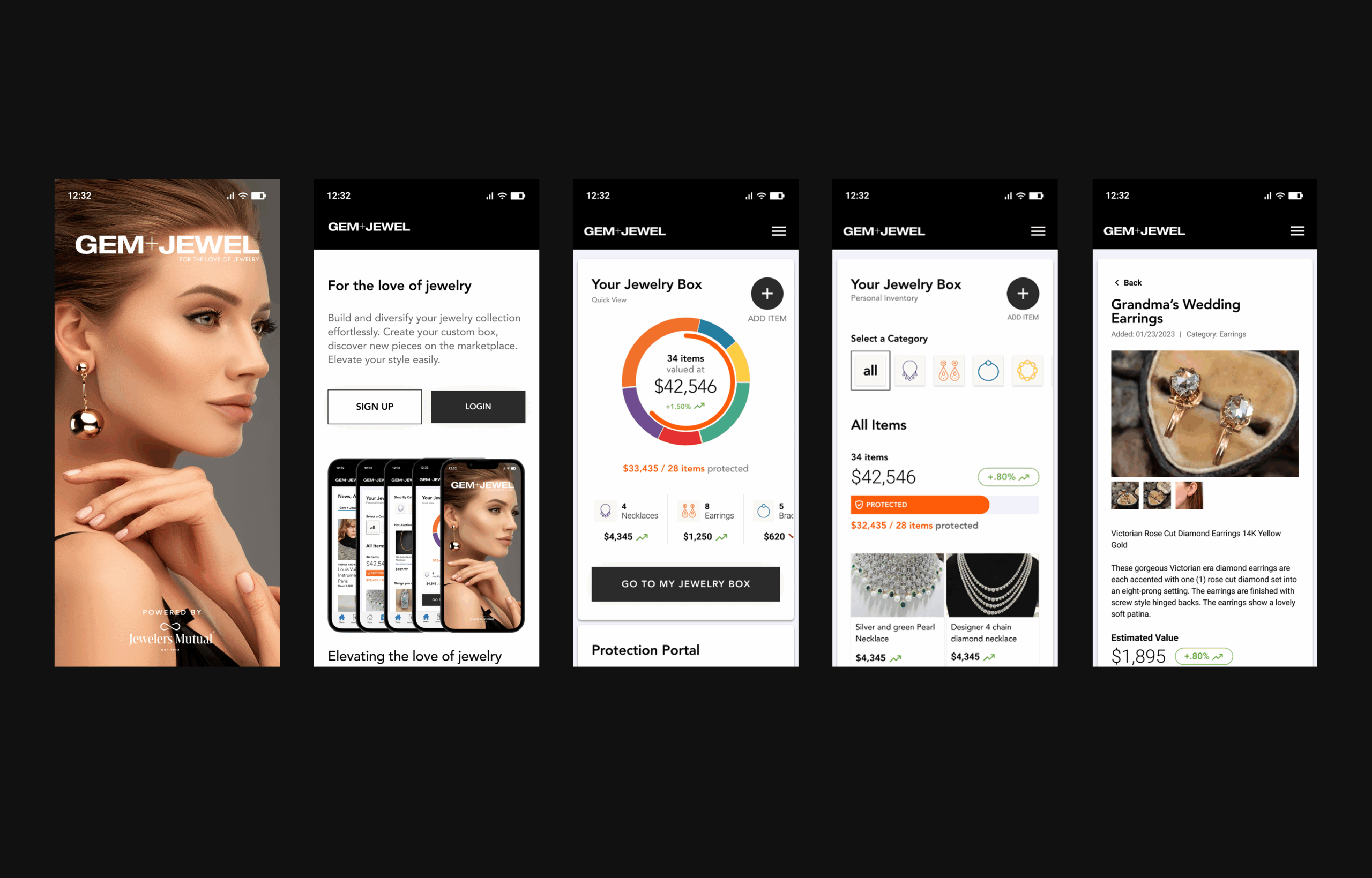
Innovation isn’t just about chasing the “next big thing.” It’s about creating the space, mindset, and processes that allow teams to explore bold ideas while staying grounded in user needs. Future-state innovation means testing concepts early, experimenting with new technologies, and building a culture where creativity is not an exception but the norm.
The picture explained: This photo was taken at Harley-Davidson’s Innovation Lab while we were user-testing the digital experience for their concept electric motorcycle the LiveWire. Later released by Harley and famously featured in The Avengers as Black Widow’s ride of choice.
It’s really hard to design products by focus groups. A lot of times, people don’t know what they want until you show it to them.
– Steve Jobs
WHY IT MATTERS
0
%
of executives say innovation is critical to growth, yet only 6% are satisfied with their company’s innovation performance (McKinsey).
0
x
higher returns come from companies that consistently invest in innovation compared to those that don’t (BCG).
0
%
of successful innovations are grounded in customer insight, not just technology (Doblin).
STEP 6
MAINTENANCE & CONTINUOUS IMPROVEMENT
Great digital products aren’t finished when they launch — they evolve. Maintenance and continuous improvement ensure that systems, experiences, and products grow with the needs of users and the business. This isn’t about one-off fixes; it’s about creating a culture of iteration, feedback, and optimization that keeps products relevant, efficient, and loved.
Great things are not done by impulse, but by a series of small things brought together.
– Vincent van Gogh
WHY IT MATTERS
0
%
of customers say a company’s understanding of their needs influences loyalty (Salesforce).
0
%
of customers will switch to a competitor after more than one bad experience (Zendesk).
0
%
increase in ROI is achieved by companies that commit to ongoing iteration and optimization (Forrester).
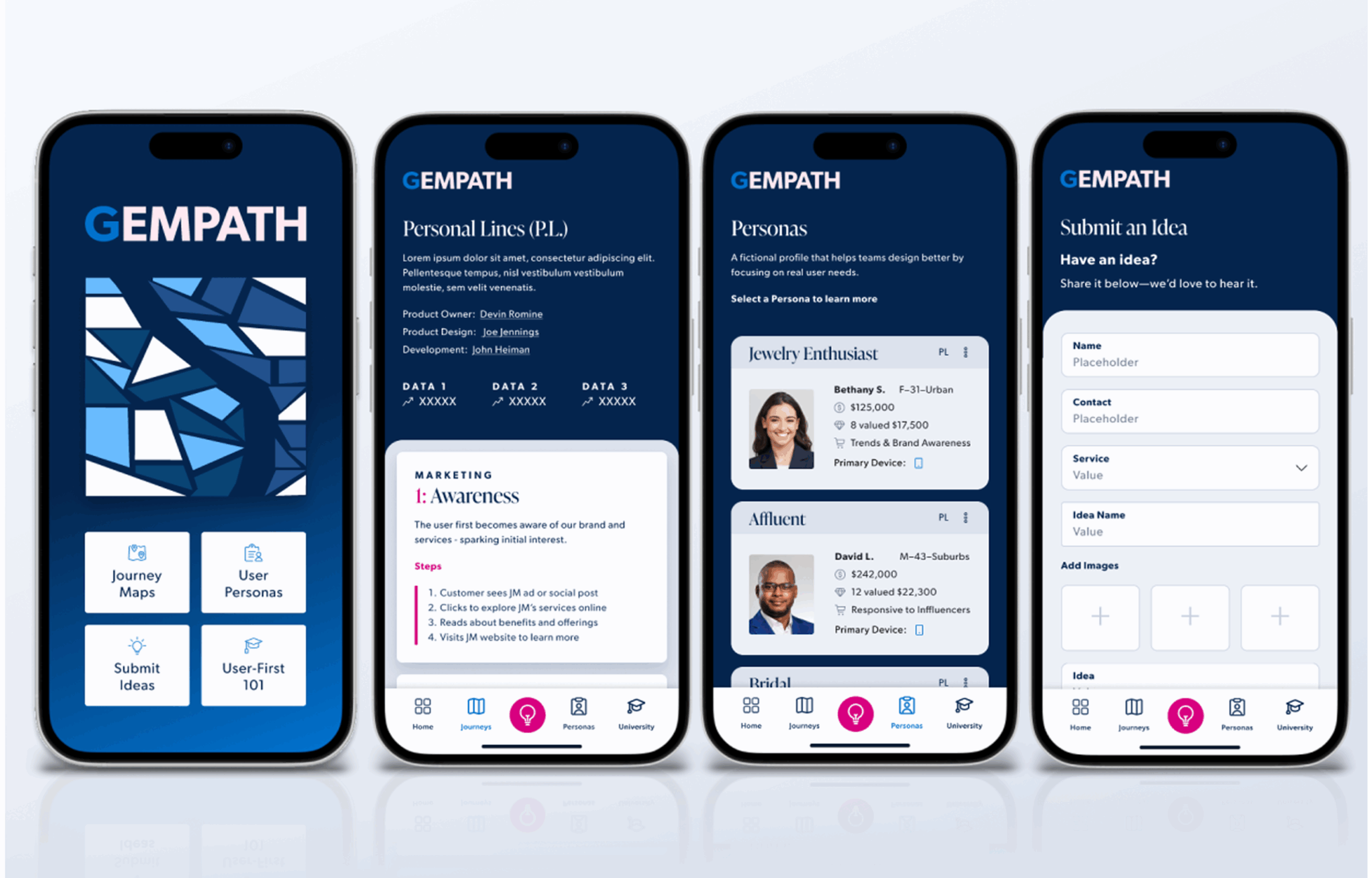
MAKING THE USER THE VOICE IN THE ROOM![]()
Success comes when we champion the user’s experience — educating, sharing insights, and making the customer the voice in every decision. This mindset builds energy, alignment, and lasting growth.
THE OUTCOME

Innovate with Confidence
A strong foundation frees teams to experiment, ideate, and pursue bold new solutions.